

India's edible oil output likely at 9.6 mn ton in 2025-26
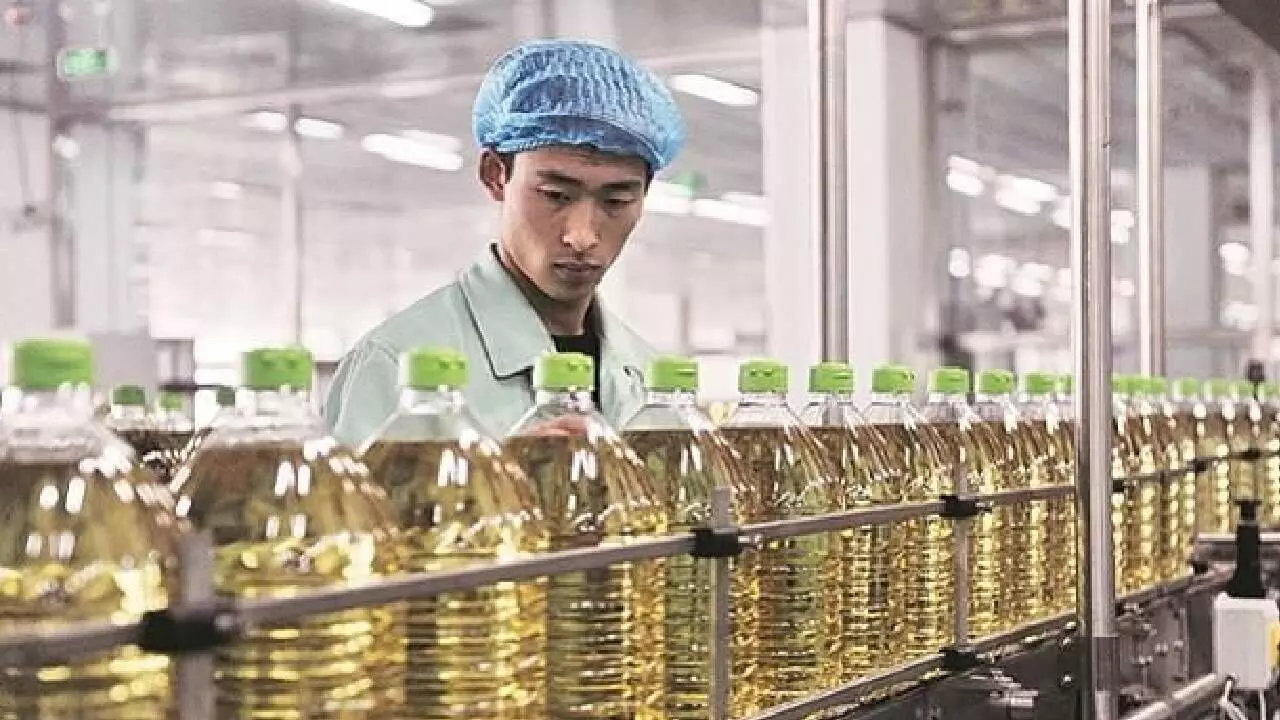
image for illustrative purpose
New Delhi: India's edible oil production is estimated at 9.6 million tonnes in 2025-26 marketing year, and it will have to import around 16.7 million tonnes of cooking oils to meet domestic demand, according to industry body IVPA.
India imports soyabean oil mainly from Argentina and Brazil, while the country imports palm oil from Malaysia and Indonesia. Of the total domestic demand, the country has to import about 60 per cent of the quantity.
Addressing a conference in Kuala Lumpur, Indian Vegetable Oil Producers’ Association (IVPA) President Sudhakar Desai noted that "global edible oil markets have entered a phase of structural volatility, driven by trade realignments, biofuel mandates and supply rigidity".
In a statement on Monday, Desai, who is also the CEO of Emami Agrotech Ltd, said the geopolitical restructuring has altered global trade corridors.
Speaking on a topic 'Navigating Structural Shifts in Global Edible Oils: Implications for India', he said, "Small adjustments in duties, mandates or trade flows are now producing disproportionate price swings across the supply chain".
India's domestic edible oil production is estimated at 9.6 million tonnes in 2025-26 oil year (October-September), covering only about 40 per cent of Indian needs. This means dependence on imports of around 16.7 million tonnes, Desai forecast.
According to Solvent Extractors' Association of India (SEA), India imported 16 million tonnes of edible oils for nearly Rs 1.61 lakh crore during the 2024-25 marketing year ended October.
In 2025-26, Desai said the total imports are expected to comprise 8-8.5 million tonnes of palm oil, 5-5.5 million tonnes of soyabean oil, 2.8-3 million tonnes of sunflower oil, and around 2 lakh tonnes of other oils, including zero-duty imports routed through Nepal.
"India’s import basket remains highly sensitive to inter-oil price differentials, particularly between palm and soybean oil. A USD 50-60 per tonne shift in spreads is sufficient to reallocate volumes at scale, highlighting the absence of stickiness at the bulk oil level," he said.





